
As the temperatures begin to cool and the leaves turn red, orange and gold, Fall brings plenty of opportunities to enjoy comforting seasonal foods. From warm soups and roasted vegetables to baked apples and hearty casseroles, Autumn is a wonderful time to enjoy delicious meals that nourish both the body and the spirit.
For seniors, healthy eating is especially important. A nutritious diet can provide essential vitamins and minerals and support energy levels. Fortunately, many traditional Fall foods can be both comforting and nutritious with a few simple ingredient choices.
Whether you’re preparing meals at home or enjoying dining in a senior living community like American House Senior Living Communities in Michigan, here are some healthy Fall comfort foods for seniors to try this season.
Why Seasonal Foods Are a Great Choice for Seniors
Eating seasonal foods can be an easy way to add variety and nutrition to a senior’s diet. Many popular Fall fruits and vegetables are rich in nutrients while also being naturally flavorful.
Pumpkin, sweet potatoes, apples, pears, winter squash and leafy greens are just a few examples of nutritious foods that are readily available during the Fall. These foods can provide important nutrients such as fiber, vitamins and antioxidants.
Seasonal foods can also make meals more enjoyable. Familiar flavors and favorite Fall recipes may bring back memories of family gatherings, holidays and other special occasions.
Hearty Vegetable Soups
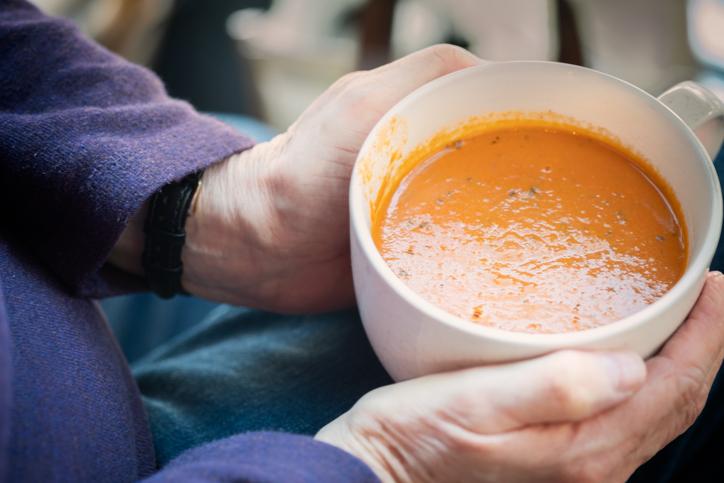
Few foods are more comforting on a cool day than a warm bowl of soup. Vegetable-based soups can be a nutritious option for seniors because they can combine several healthy ingredients into one easy-to-enjoy meal.
Try making soup with vegetables such as carrots, celery, tomatoes, spinach, potatoes or butternut squash. Adding beans, lentils, chicken or another lean protein can make the meal more filling while providing additional nutrients.
For seniors who have difficulty chewing or swallowing certain foods, soups can also be prepared with softer ingredients or blended to create a smooth consistency. Individual dietary needs should always be considered when preparing meals.
Roasted Root Vegetables
Fall is an ideal season for roasted vegetables. Sweet potatoes, carrots, parsnips and beets can become tender and flavorful when roasted in the oven.
Sweet potatoes are particularly versatile. They contain fiber and several important vitamins and minerals and can be prepared in both sweet and savory dishes.
Instead of relying on heavy sauces or large amounts of butter, try seasoning roasted vegetables with herbs and spices. Cinnamon, rosemary, thyme and garlic can add plenty of flavor without excessive salt or added sugar.
Baked Apples With Cinnamon
Looking for a healthier Fall dessert? Baked apples are a simple option that captures the flavors of autumn without requiring a complicated recipe.
Apples provide fiber and can be baked with cinnamon for a naturally sweet treat. For additional texture and nutrition, consider adding a small amount of chopped nuts or oats.
Greek yogurt can also be served alongside baked apples to add protein and create a satisfying dessert or snack.
Pumpkin-Based Dishes
Pumpkin is one of the most recognizable flavors of Fall, and it can be used in much more than pumpkin pie.
Pumpkin can be incorporated into soups, oatmeal, smoothies, breads and other dishes. It also provides fiber and nutrients such as vitamin A.
When choosing pumpkin-based foods, pay attention to added sugar. Pumpkin itself is nutritious, but some prepared pumpkin products and desserts can contain significant amounts of added sugar.
Using pure pumpkin puree in homemade recipes can be an easy way to enjoy the flavor of the season while maintaining greater control over the ingredients.
Warm Oatmeal With Fall Fruits
A warm bowl of oatmeal can make a satisfying breakfast. Oats provide fiber and can serve as a versatile base for a variety of nutritious toppings.
Try adding sliced apples, pears, berries or a small amount of pumpkin puree. Cinnamon and other warming spices can provide plenty of seasonal flavor.
For additional protein, oatmeal can be prepared with milk or topped with Greek yogurt or a small serving of nuts.
Healthy Chicken and Vegetable Casseroles
Casseroles are a classic comfort food, and they can be adapted to create balanced meals for seniors.
A healthy casserole might include lean chicken, vegetables, whole grains and a light sauce. Broccoli, spinach, mushrooms, carrots and squash can all work well in a variety of recipes.
When preparing casseroles, consider limiting ingredients that are high in sodium such as heavily processed meats, canned sauces and large amounts of cheese. Herbs, spices and fresh ingredients can provide plenty of flavor without relying on excessive salt.
Hearty Whole-Grain Meals
Whole grains can be an important part of a balanced diet. Brown rice, oatmeal, quinoa and whole-grain pasta can all be incorporated into satisfying Fall meals.
For example, try a warm grain bowl topped with roasted vegetables and lean protein. Whole-grain pasta can be combined with seasonal vegetables and a light sauce for a comforting dinner.
These meals can provide fiber and help create a satisfying dish without relying on large portions of refined carbohydrates.
Making Fall Comfort Foods Healthier
You don’t have to give up your favorite comfort foods to enjoy a nutritious diet. Small adjustments can make traditional recipes healthier while preserving the flavors that make them special.
Consider these simple changes:
- Choose lean proteins such as chicken, turkey, fish and beans.
- Add extra vegetables to soups, casseroles and pasta dishes.
- Choose whole grains when possible.
- Use herbs and spices to add flavor instead of relying heavily on salt.
- Limit added sugars in desserts and breakfast foods.
- Choose healthy fats such as olive oil and nuts in appropriate portions.
- Pay attention to portion sizes.
- Choose lower-sodium ingredients when possible.
It’s also important to remember that nutritional needs can vary from person to person. Seniors with medical conditions, food allergies or specific dietary requirements should follow recommendations from their healthcare provider or registered dietitian.
The Importance of Enjoying Meals Together
Healthy eating isn’t just about what’s on the plate. Mealtimes can also provide an important opportunity for social connection.
Sharing a meal with friends, family members or fellow residents can make eating more enjoyable and provide opportunities for conversation and companionship. For seniors living in a community setting, communal dining can be an especially meaningful part of the daily routine. Places like American House Senior Living in Michigan keep a close eye on their residents, and make sure everyone is encouraged to join their friends for dinner.
Celebrate the Flavors of Fall
Fall is a wonderful season for enjoying warm, comforting meals made with nutritious seasonal ingredients. At a senior living community, seasonal dining can also be an opportunity to bring residents together and create meaningful experiences around food. Sharing familiar recipes, trying new dishes and enjoying meals with friends can make the season feel even more special.
American House was founded in 1979 to enrich the lives of seniors and their loved ones in an environment that fosters independence, compassion, quality services and meaningful relationships. We provide a wide range of senior living options, including independent living, independent living with assistance, respite stays and hospice in Dearborn Heights, Farmington Hills, Rochester Hills, Sterling Heights and Westland.
Call an American House Senior Living community near you today to schedule a tour of one of our beautiful facilities and ask questions to help put your mind at ease if you’re considering a move for an aging loved one, spouse or even for yourself.
Recent Comments